Mexico: Protecting traditional language, knowledge, and territory
Overview
| Location | Mani/Volladolid, Mexico (Yucatan Peninsula) |
| Arrival Date | July 31st, 2027 |
| Teaching Dates | August 1 – 21, 2027 |
| 3 Credits | WRLD 399P or SPAN 380* |
| Eligibility | Open to all students |
| Approximate Program Fee | $3,300 – $3,600 |
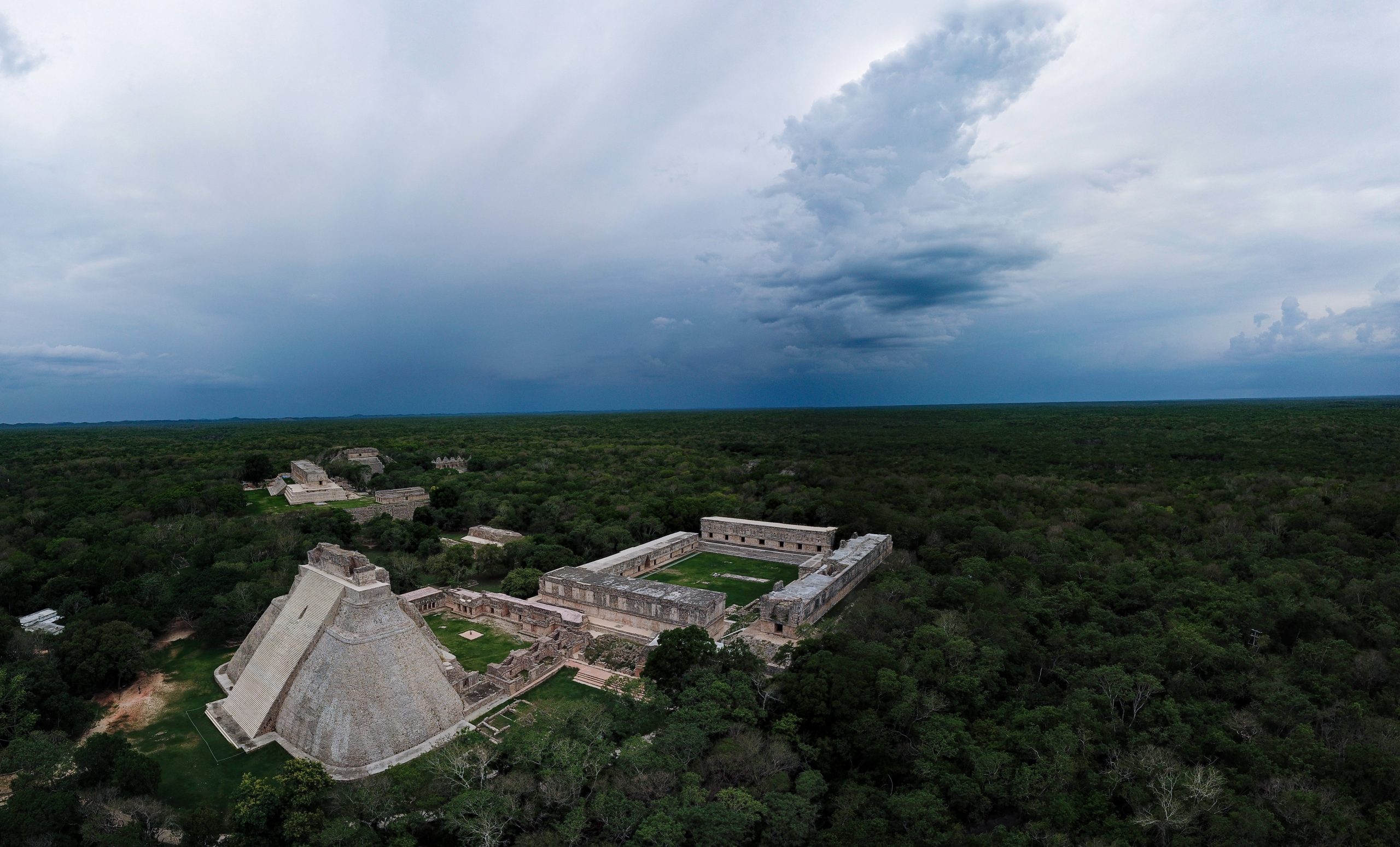
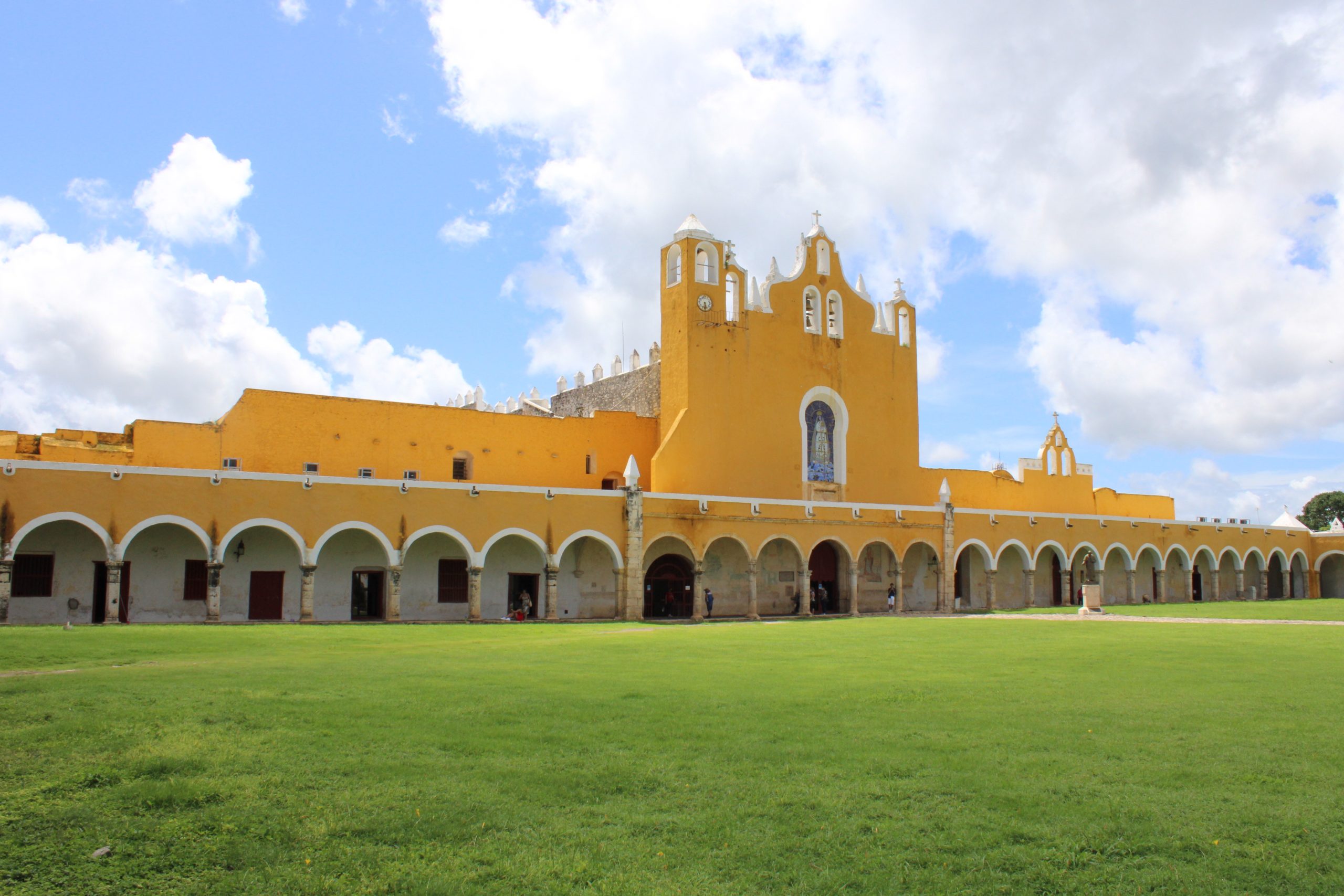
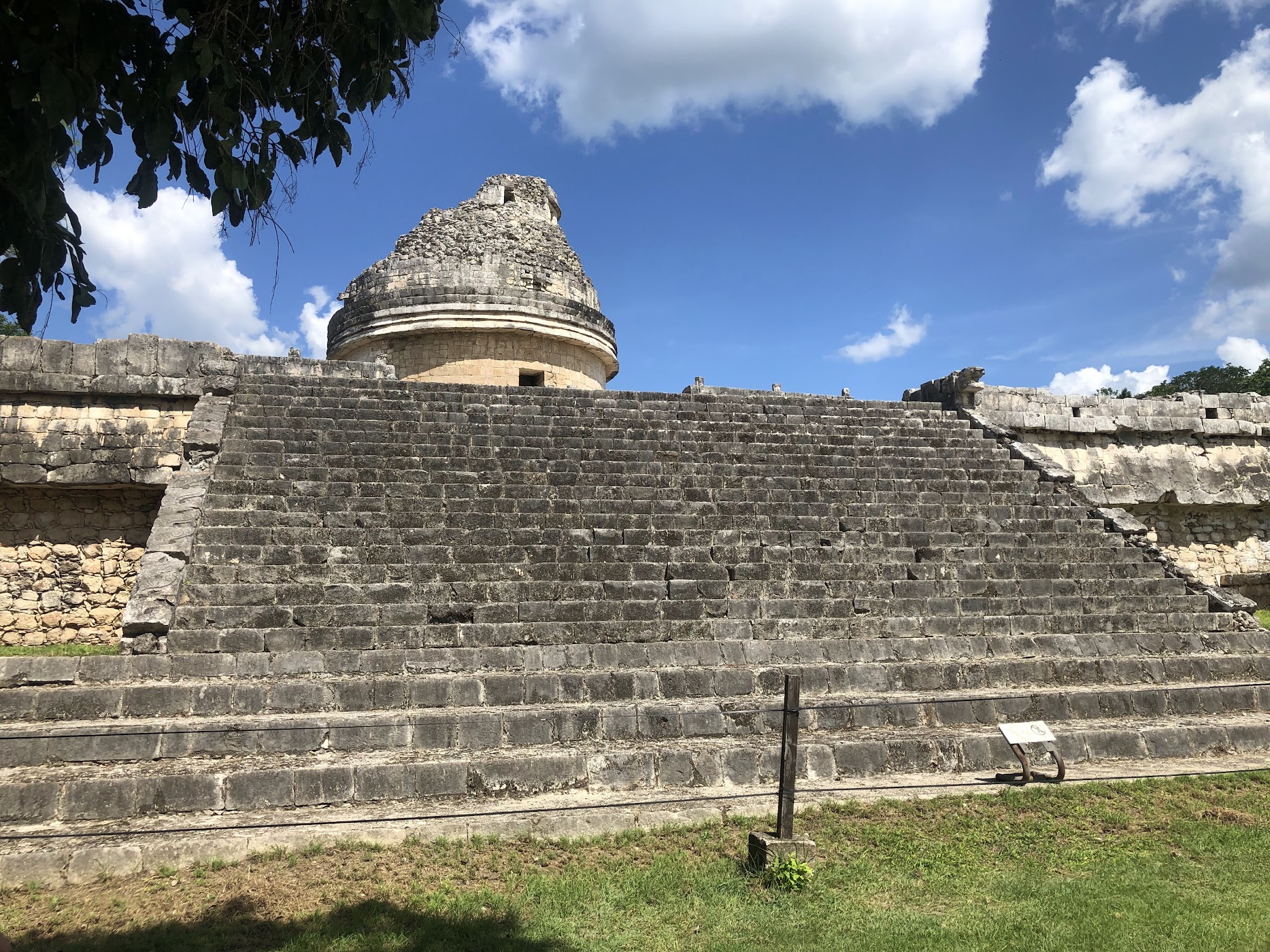
For three weeks, students will immerse themselves in Yucatec Maya language and culture in Maní, living with Maya-speaking families and learning directly from the community. The program begins in Mérida with a visit to the Gran Museo del Mundo Maya before students travel to Mani, where they will spend the remainder of the program. During weekdays, students will participate in Yucatec Maya language classes from Monday through Thursday while learning appropriate cultural protocols for respectful engagement with the community. Evenings and weekends will provide opportunities for students to practice Maya and participate in community life. Students will deepen their understanding of Maya culture and worldview through visits to Uxmal, Kabah, and Santa Elena, exploring relationships with nature, territory, water, and the natural world. Students will also have the opportunity to speak with archaeologist José Huchim Herrera, Director of the Uxmal Archaeological Site. During the final week, students will expand their language and cultural knowledge through conversations about emotions, health and illness, and Maya understandings of life and death. The program will conclude with visits to the Universidad Intercultural Maya de Quintana Roo in Felipe Carrillo Puerto, Chichén Itzá, and Valladolid before returning to Mérida for departure.
This program advances UBC’s strategic plan as it fosters global citizenship, a more sustainable and just society, and makes room for the creation of new alliances in areas important to Indigenous peoples such as language, culture, and territory reclamation. Taking into account the local aspect, students will be able to learn about global struggles shared by Indigenous communities, as they learn about emotional and physical health, and the importance of territory.
Information Session
We will be hosting a session shortly which will cover the specifics of the Mexico program (expectations, location, academics, acceptance etc). Check back here for details.
Applications are now open
You can apply by clicking here
Search and select: UBCO Mexico
Deadline: February 1, 2027
To participate in a Global Seminar, students must:
- Be in good-standing in their faculty (as defined by home faculty)
- In the year leading up to the Global Seminar, have full-time student status (as defined by home faculty)
- Have completed 2nd year requirements before the start of the program (i.e. 3rd or 4th year standing) . For those in 1st year and wish to participate, please reach out to Go Global
- Meet any program specific requirements listed below including pre-requisites before participating
Program-specific requirements
- Open to current 2nd, 3rd, and 4th year students (Graduate students may also benefit based on their research focus)
- Interest in learning aspects of Mayan culture, including the sustainability of the Mayan language and culture. Background in the Spanish language is not required for this program.
WRLD 399 or SPAN 301 (3)
The program seeks to promote the Mayan language and culture through a global seminar with a student-centered community approach. The participating institutions have joined forces to offer students an immersive experience of the Mayan language and culture. It is important to emphasize the community approach that is given to this class – students must appreciate the importance of “community” and be sensitive to the reception and knowledge that is being provided.
Academics
The syllabus will be posted here shortly
UBC Okanagan Students
This course is open to all students that wish to learn more about Indigeneity in Mexico. This program is cross-listed between WRLD and SPAN, students can choose. Those that choose SPAN are required to speak, write, and complete assignments in Spanish.
This course fits great into Upper Level electives for all students. If you have any questions about your degree requirements, Okanagan students should speak with an Academic & Career Advisor.
UBC Vancouver students
Vancouver students are very welcome to join this program. The Course Syllabus will be linked above and you can work with your Advisor to determine how this fits into your degree. UBC Okanagan classes are noted on your transcript just like any UBC course.
General Timeline
Teaching Dates: Aug 1 – 21, 2027
Arrival: July 31st, 2027
- Monday – Thursday Maya language instruction
- Friday – Sunday community-based learning
Activities
Students will learn to cook traditional Maya cuisine, Maya embroidery techniques, Maya writing and epigraphy workshop, making chocolate and hammock weaving. The group will visit: Gran Museo del Mundo Maya, Xcunyá, Puerto Progreso, Kabah, Uxmal, Chichen Itzá, Ek Báalam, Felipe Carrillo Puerto, Tihosuco, Chichimilá, Valladolid.
Climate
Transportation
During the program, students will travel by private transportation for visits to communities and archaeological sites. Within Mani, students may walk or rent bicycles to move around town.
Housing
Students will be staying in Mani and Vallodalid throughout the three weeks. Students will be placed in hotels with two students to a room.
Program Fees
The 2027 Program Fee is a range between $3,300 – $3,600 and the final fee is dependent on the number of students in the program.
| Included in program fee | Not included in program fee |
|
|
Every eligible student accepted into this program will receive a $1,000 Global Seminar Award. This will be distributed to students just prior to departure.
We encourage students with accessibility concerns to reach out early to the lead faculty program directors to discuss potential accommodations and determine whether the program is a good fit for their needs.
Physical activity
Students will be moving around to different areas and should expect to walk frequently. Heat will be taken into consideration and we do our best to provide students with information prior to daily excursions.
Dietary and personal needs
We are able to accommodate dietary restrictions and other reasonable needs. Please indicate any accommodations you may require in your application.
All travel and program activities involve risk of harm to participants. Go Global and Seminar program leads take reasonable precautions to reduce risks. However, not all harms can be anticipated or prevented. While travelling on UBC programs, students have a responsibility for their own safety and the safety of the group. Thorough preparation, situational awareness, and safeguarding your valuables and health is advised.
It is strongly advised to check your medical insurance for travel. If you have a health condition, we ask that you disclose and speak with the faculty lead so that they can assist you with planning health management while abroad.
We have been running this program for 4 years and have connections in Mexico that support our group. We do not have any particular safety concerns associated with the course beyond those normally encountered when travelling in a foreign country. Students should nevertheless remain aware of their surroundings, particularly in crowded tourist areas, on public transportation, and in busy streets and public spaces. Take reasonable precautions with personal belongings, especially passports, phones, and wallets, and avoid displaying valuables unnecessarily. Students should also follow instructor guidance during field activities, remain with the group when instructed to do so, and use appropriate care when walking in unfamiliar areas. Common sense, situational awareness, and respect for local laws and customs are the best safeguards.
Before Applying:
- Get to know the places you will be travelling by using available resources like Global Affairs Canada travel reports.
- Consider your own mental and physical health alongside what you know about the conditions during the program (e.g. how physical is the program? What are the living conditions? What can I do to prepare myself?)
Before departure:
- Participate in all pre-departure activities offered by Go Global and your program teaching team to learn about the program and ways to prevent and respond to incidents.
- Ensure you have adequate travel medical insurance that will cover you in the location and for the duration of your trip.
- Be aware of how to use your travel medical insurance, if you need it, and where to access medical care or other emergency assistance in the locations where you will be travelling.
During the program:
- If you don’t feel safe, say something! Let your program leads know how you feel, or about incidents that occur. Don’t hesitate to contact Go Global during your program.
- Know your own needs: be aware of your own mental and physical health and your limits. Communicate with your program lead and group about making adjustments, as needed.
Public health: COVID-19 and other diseases
Review local requirements before applying and before departure. Check the Global Affairs Canada Advisory under Entry Requirements for your Global Seminar destination to learn more. Keep in mind that program conditions can vary and rules can change before or during your trip.
Program Lead
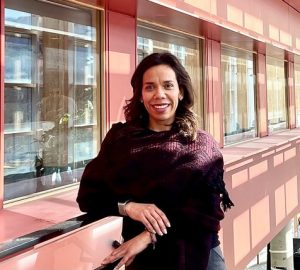 Dr. Monica Good was born in the state of Coahuila, Mexico. Her dissertation and research focus on the linguistic rights of Indigenous Peoples, especially emphasizing access to justice. Since 2017, she has collaborated with CEPIADET, an indigenous-based organization located in Oaxaca, Mexico, that provides legal guidance and interpretation services to Indigenous defendants. Through this collaboration, she has been able to access Zapotec, Mixtec, and Mazatec communities in Oaxaca. More recently, Monica works with Yucatecan linguists on reclaiming, teaching, and learning the Mayan language and culture, as well as documenting resistance movements, colonization, and dispossession of land in the Yucatan Peninsula. For this Global Seminar, a working relationship has been established with Dr. Fidencio Briceño Chel and the working group of the State Center for Training, Research, and Humanistic Dissemination of Yucatan (CECIDHY per its acronym in Spanish).
 Dr. Briceño Chel is a native speaker of Maayat’aan (Yucatecan Maya) and a researcher at the National Institute of Anthropology and History (INAH). He also directs the project “Documentation, strengthening and dissemination of the peninsular Yucatecan Maya”, as well as being the director of the CECIDHY. He was coordinator of the project to carry out the Writing Standards for the Mayan Language of the Yucatan Peninsula and the National Catalog of Indigenous Languages published in 2008. He has collaborated in the development of materials for teaching in the Mayan language in the Yucatan Peninsula. He collaborated in the National Bilingual Education Program in Guatemala, and for more than twenty years he has been academic director of the summer Mayan Language Teaching Program for the Latin American and Caribbean Studies Consortium that includes 22 universities in the United States and two in Canada.